Charging an e-bike battery in a NYC apartment: what's actually safe
Yes, you can charge a certified e-bike battery in your apartment. A Brooklyn shop on UL 2849, Local Law 39, the four habits that matter, and what to tell your landlord.
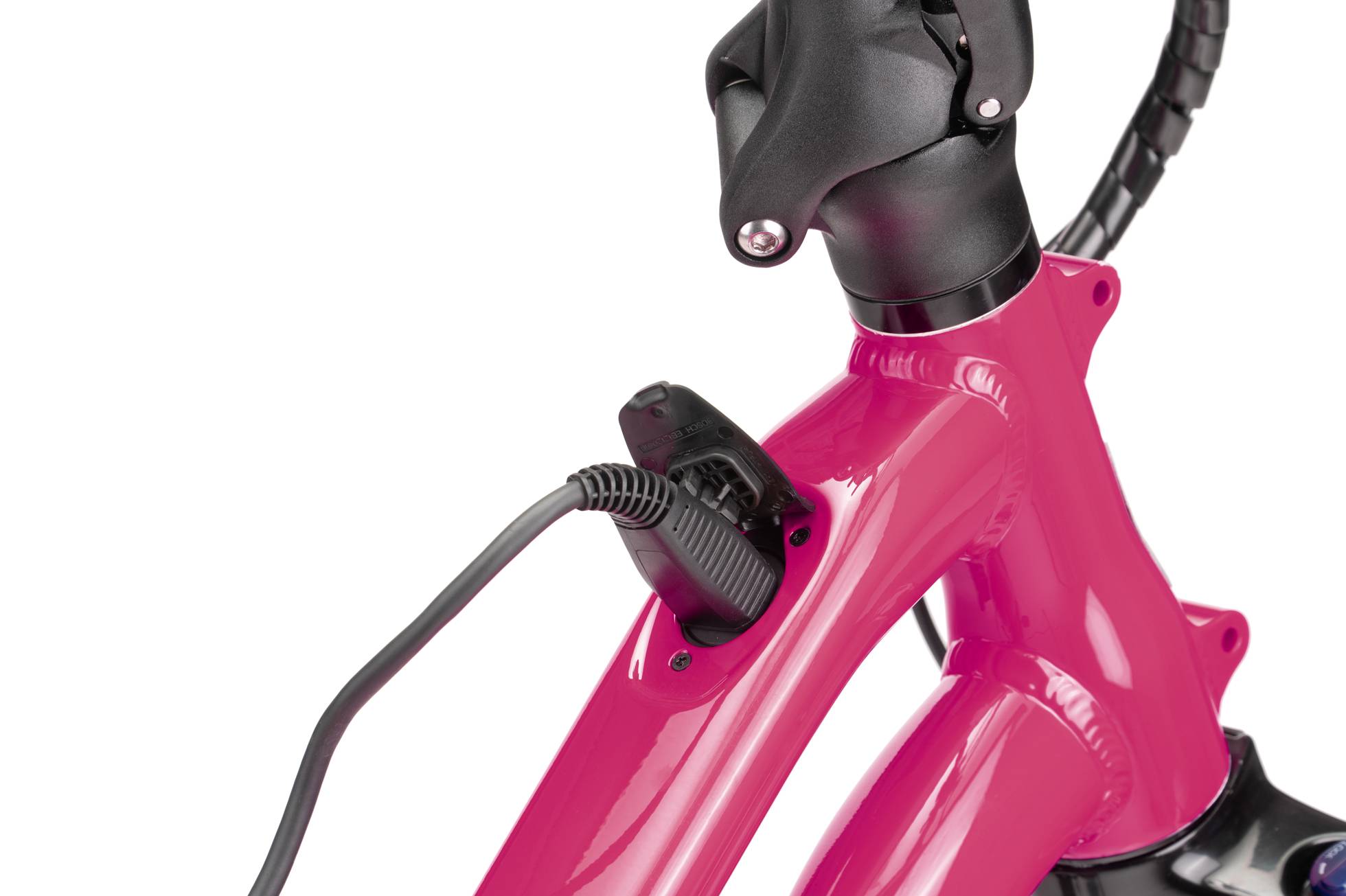
On almost every cargo bike test ride, around the second lap, the same question comes up: "The batteries are removable on all of these? We'll need to schlep them up to the apartment to charge." If you live in New York, your bike probably sleeps somewhere your outlet isn't, and the battery rides the elevator with you.
So let's walk through apartment charging, including the part everyone is really asking underneath it: is this thing going to burn my building down?
The question behind the question
New Yorkers read the news. Battery fires are real, people have died, and the FDNY has spent years responding to them. If that makes you nervous about plugging a battery in ten feet from where you sleep, good. That instinct is correct, and no one in a bike shop should talk you out of it.
What the news stories rarely explain is what was actually plugged in. The fire reports repeat the same combination: an uncertified pack, a mismatched or knockoff charger, cells that were refurbished or already damaged, often charging unattended in the one hallway everyone needs to exit through. Lithium-ion isn't automatically fine. Lithium-ion without engineering, testing, and a battery management system is a gamble, and for years US law required none of that.
That changed in 2023, when New York City passed Local Law 39: no e-bike may be sold, leased, or rented in the city unless it's certified to UL 2849. That same standard is a big reason we built our lineup around Bosch-powered e-bikes.
What UL 2849 actually certifies (and what it doesn't)
Three UL standards get mixed up constantly, including by people selling bikes:
- UL 2271 covers the battery pack alone: cell quality, the battery management system, resistance to thermal runaway. A "UL 2271 battery" passed by itself. It says nothing about the bike around it.
- UL 2849 covers the whole electrical system: battery, motor, charger, controller, and wiring, tested together. This is the standard Local Law 39 names, and the one fire officials and insurers mean when they ask if a bike is safe to charge indoors.
- UL 2272 covers hoverboards and e-scooters. It doesn't apply to e-bikes, and a bike listing that cites it is a red flag about the seller.
The distinction matters in your kitchen. A fine battery on a knockoff charger is exactly the mismatch UL 2849 rules out, because it tests the charger and pack as a pair. It's why the answer to "can I use a cheaper third-party charger?" is no, and here's why, and why a used battery from the internet is the one purchase we'll always tell you not to make. You can't see a battery's history from the outside.
Every e-bike we sell is certified to UL 2849. When your building manager, insurer, or co-op board asks the safety question, that certification is the answer, by name.
The upstairs ritual, done right
Mechanically, this is the easy part. Bosch batteries release with a key and click out in seconds, whether it's a PowerPack on the frame or rack or a PowerTube in the downtube (here's the PowerPack removal how-to and the PowerTube one). The pack weighs roughly 5.5 to 7.7 lb (2.5 to 3.5 kg) depending on capacity: a bag of flour and change, not a car battery.
Once it's upstairs, four habits cover essentially everything Bosch's own guidance asks for:
Charge at room temperature. Bosch specs charging between 32°F and 104°F. A battery that's been sitting on a freezing bike should warm up first. Never charge a frozen pack. (Cold also temporarily shrinks range; it comes back when the pack warms up. Our winter guide covers that.)
Use the charger that came with the system, in the open. On a counter or desk, not under a couch cushion, buried in a closet, or draped in the jacket you just took off. The standard Bosch 4A charger takes a 625 Wh pack from empty to full in about 4.5 hours. So there's no need to charge all night.
Charge while you're home and awake. This is our recommendation rather than a law. A certified system makes a bad event very unlikely, and charging when you can smell and see it makes it even less likely, the same way you'd think about running the dryer.
Keep it away from the door. Charge somewhere that isn't between you and the exit. In nearly every fire report this one habit is the difference between a bad day and a tragedy, and it costs nothing.
That's really all it takes, and you don't need a fireproof bag or a charging bunker. If your battery is damaged, dropped hard, cracked, soaked, or behaving strangely, it doesn't go on the charger at all. Bring it to us, and if it's truly done we handle disposal properly.
The landlord conversation
More buildings are writing e-bike rules, and some managers start from "no batteries in the building" because the last thing they read about batteries was a fire. Rather than arguing about it, hand them paper:
- The certification. Your bike's electrical system is certified to UL 2849, the exact standard NYC's Local Law 39 requires for any e-bike sold in the city. That's the line their lawyers care about.
- Your charging setup. Manufacturer's charger, charged attended, at room temperature, away from egress. The four habits above, stated as your practice.
- Insurance, if you carry it. Several insurers now write real e-bike policies, and naming one changes the tone of the conversation. We wrote up how e-bike insurance actually works separately.
We've watched this exact packet turn a building-wide "no" into "certified bikes only," which is the rule we'd write too.
If the bike lives outside
Plenty of New York bikes sleep on the street or in an unheated bike room, and that's fine; it's what the battery lock is for. Two additions: bring the battery in with you every time (theft prevention and temperature care at once), and in winter store it around half charge if it'll sit unused for weeks. The winter storage guide has the details.
Still deciding whether a bike fits your building (elevator, hallway width, where the outlet is relative to where the bike parks)? Bring the measurements to a test ride and check them against the exact bike.