E-bike insurance: what we tell customers riding $3,000 to $15,000 bikes
Homeowners riders, standalone bike policies, and the exclusion that surprises e-bike owners: the insurance conversation we have at the counter, written down.
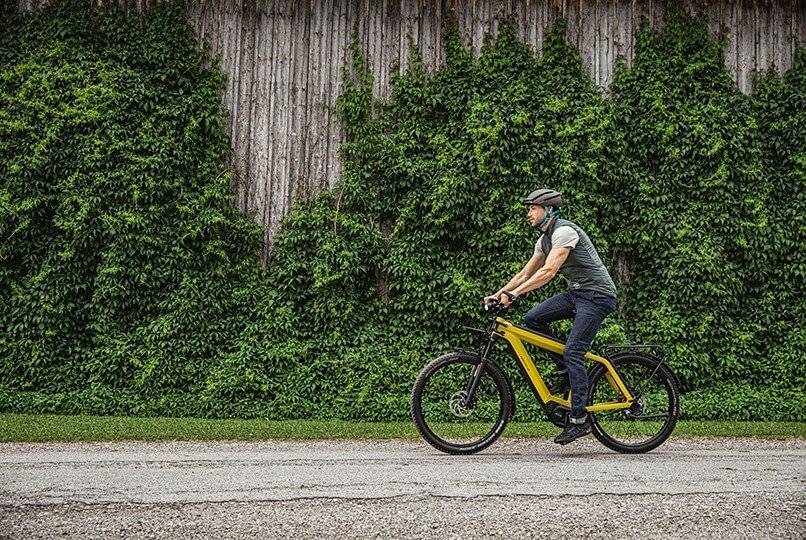
Almost every buyer of a serious e-bike asks the same question at checkout: what happens if this gets stolen? It's a fair question, because a good e-bike is a real investment, it lives outdoors more than most valuables, and this is New York. Below is the conversation we actually have at the counter, including the one insurance trap that catches e-bike owners specifically.
The trap first: "motorized vehicle" exclusions
Many homeowners and renters policies cover bicycles as personal property but exclude or limit "motorized vehicles." Whether your policy treats a pedal-assist e-bike as a bicycle or as a motorized vehicle depends on the insurer and the policy language, and it decides whether a stolen $8,000 cargo bike is a covered claim or a shrug.
So before you buy any additional coverage, ask your current agent one exact question: "Is a pedal-assist electric bicycle covered under my policy as personal property, both at home and away from home, and to what limit?" Get the answer in writing. Two follow-ups that matter just as much:
- The sub-limit. Policies that do cover bikes often cap the payout (sometimes around $1,000 to $1,500) unless the bike is separately listed. Against a five-figure cargo bike, that's a rounding error.
- The deductible. If your deductible is $2,500, coverage on a $3,000 bike is mostly theoretical.
The fix within a homeowners/renters policy is usually scheduling the bike: listing it individually, with its price and serial number, the way people schedule jewelry or cameras. Customers have done this with Progressive, Safeco, Liberty Mutual, and others; every company handles it differently, which is why the exact question above matters more than which company you ask.
The standalone option: bicycle-specific insurers
If your existing policy can't cover the bike properly (or you rent and carry no policy at all), there are insurers that do nothing but bicycles, and their policies are built around how bikes actually get damaged and stolen. Velosurance and Markel are the two our customers mention most, and the coverage shape is meaningfully different from a homeowners rider:
- Theft away from home (the scenario that matters in NYC), including from a vehicle or bike room
- Crash damage, including your own fault
- Damage or loss in transit, which matters if you ship or rack your bike for trips
- Optional liability and medical coverage, add-ons a bike hidden inside a homeowners policy typically doesn't get
Quotes are online and take a few minutes; the premium scales with the bike's value and your ZIP code. We don't take referral money from any insurer, so our only stake is that the claim goes well if the day comes.
For riders whose e-bike is a work vehicle (delivery, cargo hauling for hire), say so when you get the quote. Commercial use changes the policy you need, and finding out during a claim is the expensive way to learn it.
What every insurer will ask you for
The claims that go smoothly are the ones documented before the theft. Ten minutes, today:
- Serial number. It's engraved into the frame and printed on your Propel receipt; on our Tern cargo bikes the frame number is on the bottom of the seat tube. Photograph it.
- The receipt. Insurers pay on documented value. If you bought from us and lost yours, email us; we keep records going back to 2011.
- Photos of the bike as ridden, with your accessories mounted; child seats, panniers, and lighting add up to real money on a claim.
- Register it free at Bike Index, the national registry recovered-bike listings actually get checked against.
Insurance is the backup plan
Every insurer prices your premium on theft risk, and so should you. Fifteen years of watching how bikes get stolen here says the hierarchy is: where you park, then how you lock, then what you lock with. A bike that sleeps indoors and gets locked with a serious lock through the frame is a bad target even in Brooklyn.
We stock ABUS locks in tiers matched to bike value, and if you run multiple locks or a lock-plus-battery setup, ABUS's keyed-alike program lets one key run every lock of the same cylinder type (Plus locks together, XPlus locks together), the difference between a security routine you follow daily and one you abandon by August. Two more e-bike-specific habits: take the battery (or at least lock it; a Bosch PowerTube is one of the priciest parts on the bike to replace, and thieves know it), and take the display if it quick-releases.
One more NYC note: Local Law 39 makes it illegal to sell, lease, or rent an uncertified e-bike or battery in the city. It governs the point of sale, not your insurance policy, but that certification is quietly showing up in insurance and building bike-room conversations too. The e-bikes we sell are UL 2849-certified as whole systems (battery, motor, charger, and wiring together), which is exactly the paperwork you want attached to a claim or to an apartment building's bike-room policy.
The short version
If the bike costs more than your deductible, insure it specifically: scheduled on your existing policy or through a bicycle-specific insurer. Ask the motorized-vehicle question in writing before you assume you're covered. Document the serial, receipt, and photos today. Then lock it like the insurance doesn't exist.
Questions about a specific bike or setup? Get in touch. We have this conversation every week and we're happy to have it with you.