What a $10,000 e-bike actually buys you
An honest tier-by-tier breakdown of e-bike pricing from a shop that's sold bikes from $2,599 to $15,169: what changes at each step, and what never does.
The most expensive e-bike we've ever sold is a Riese & Müller Load5 75 Rohloff HS at $15,169. The least expensive full-size e-bike we'd put a family member on is a Gazelle Medeo T9 City at $2,599. Both have a Bosch mid-drive motor and both will get you to work, but they don't even top out at the same assist speed. The Medeo caps at 20 mph; the Load5 HS has a 28 mph assist cutoff (in NYC, both are held to the same 15 mph operating limit regardless).
So what is the other $12,570 buying? People search "most expensive e-bike" constantly, half curiosity, half suspicion, and mostly find listicles of $40,000 carbon show pieces nobody rides to daycare. Here's the real answer from a shop that sells across the whole range, including when to stop spending.
First, what money can't buy
The biggest misconception at the counter: a more expensive e-bike is not a faster e-bike. In New York, a Class 1 pedal-assist bike assists to 20 mph whether it costs $2,599 or $15,169. Some bikes have a higher 28 mph assist cutoff, but in NYC e-bike operation is capped at 15 mph citywide, regardless of the bike. Most e-bikes we sell are pedal-assist, and either way the legal ceiling is set by regulators, not your budget.
Price doesn't buy motor prestige either. Bosch powers our floor at every price point. What changes is which Bosch motor, and everything around it.
$2,600 to $3,500: the everyday workhorses
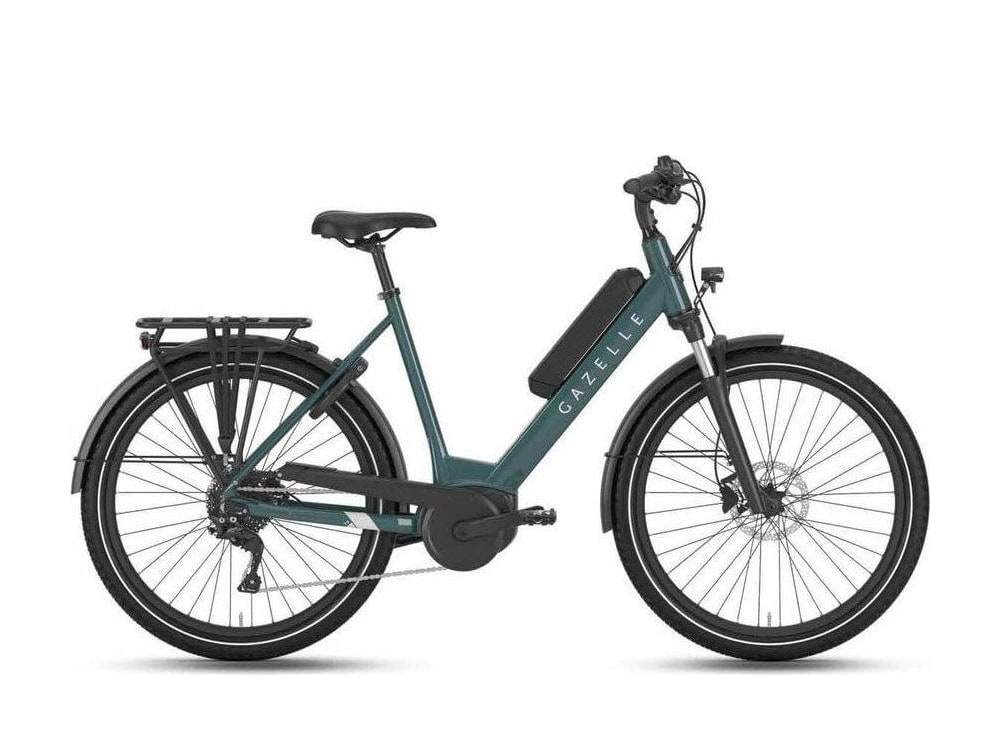
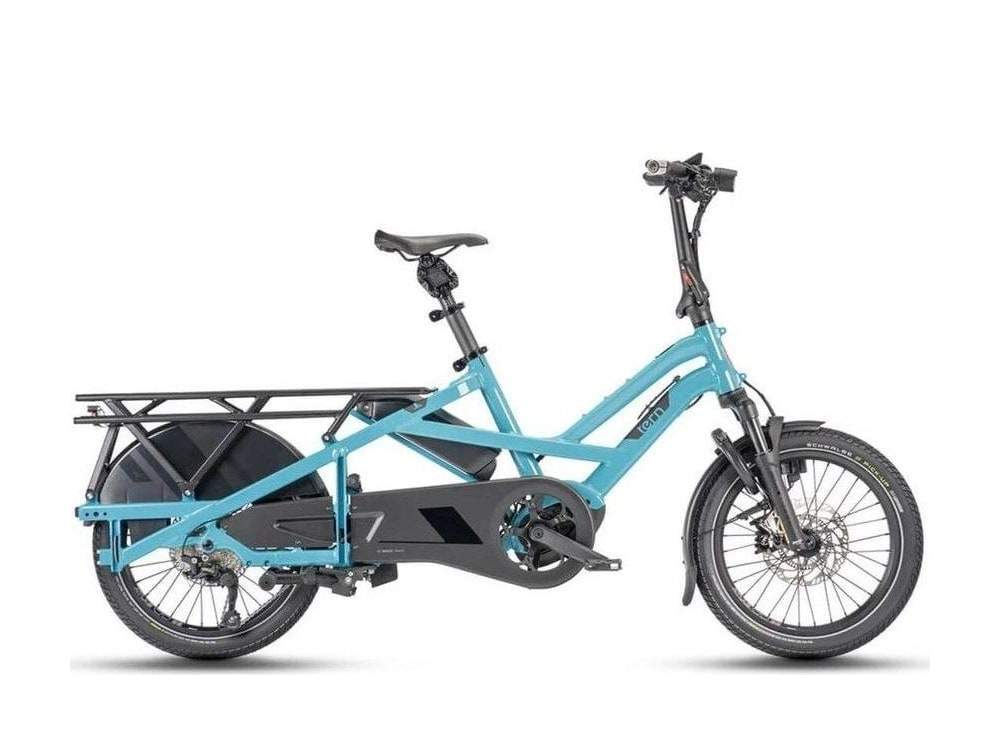
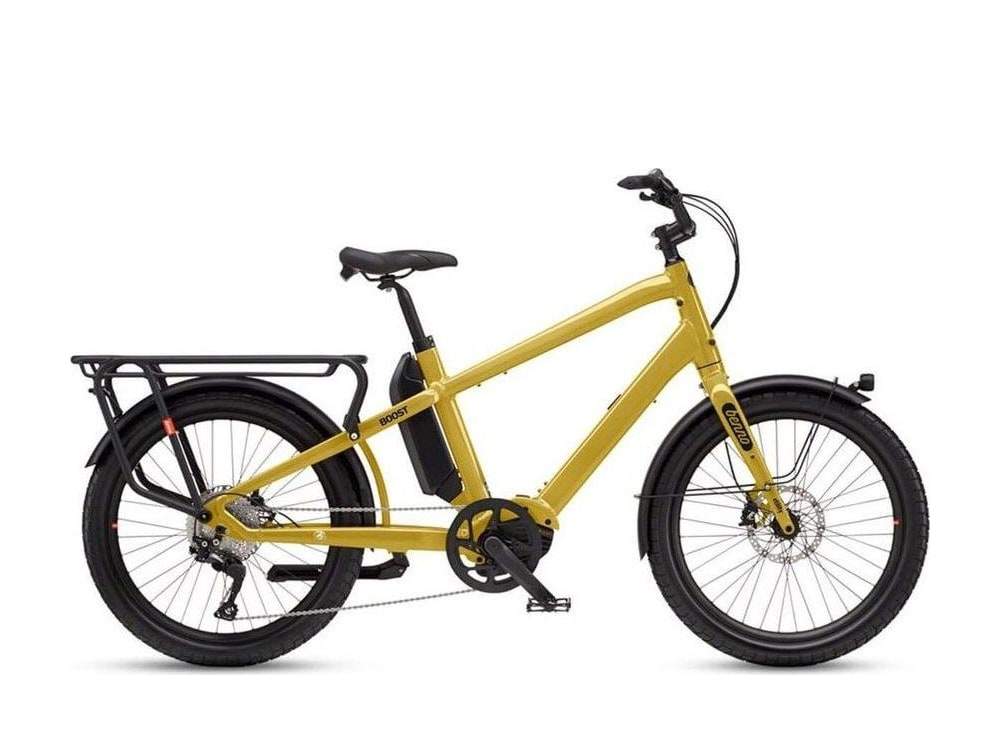
What lives here: Gazelle Medeo T9 City ($2,599) · Tern Quick Haul D8 ($2,999) · Benno RemiDemi 9D ($3,499)
This tier buys a real European-engineered daily vehicle: Bosch mid-drive (the gentler Active Line or Performance tier motors), hydraulic disc brakes, integrated lights, rack and fenders included. It doesn't buy suspension beyond basics, belt drive, or big-battery range. Wear costs run higher over the years (chains, more frequent tune-ups) and the motors are tuned for pavement, not heavy hauling.
What we tell people here: nothing is compromised on safety or serviceability. The compromises are in convenience and capability, and on a flat 5-mi (8 km) commute you may never feel them.
$4,000 to $6,500: where the daily-driver money goes
What lives here: Gazelle Ultimate C380 ($5,199) · Tern HSD P10 ($4,499) · Benno Boost 10D Sport ($4,399) · Gazelle Eclipse C380+ ($6,399)
This is where the ownership experience changes shape. The step-ups that matter:
- Belt drive plus internal gears arrive (the C380s): no chain lube, no derailleur adjustment, shift while stopped. We wrote a whole explainer on why this matters.
- Stronger motors: Performance Line torque (65 to 85 Nm) that holds power on bridge climbs with a loaded rack.
- Real cargo ability on compact frames: the HSD takes a child seat and a week's groceries without becoming a long bike.
- Faster 28 mph-assist trims show up (Eclipse, Boost Speed) for commutes on faster roads.
Many of our commuter customers land in this tier, and the daily riders tell us the belt-drive versions just disappear from their mental to-do list, and that's a big part of what you're paying for.
$7,000 to $9,500: the car-replacement tier
What lives here: Tern GSD S10 ($7,999) · Vello Sub ($7,930) · Urban Arrow Family Next Pro ($8,999)
Now the money buys structure. These are cargo platforms engineered as vehicles: frames rated for 400-plus lb (180+ kg) of total load, Bosch Cargo Line motors (85 Nm, tuned to launch heavy loads from a stop), dual-leg kickstands you can load a toddler against, and accessory ecosystems (rain canopies, seat pads, box benches) that turn a bike into the family's second car. When a bike is replacing a car, what you really need is for it to show up every school run and in every kind of weather, and that matters more than the price.
If your math includes selling a car or skipping a second one, the payback here is measured in months. A year of NYC car ownership (insurance, parking, gas) typically clears the whole purchase.
$10,000 and up: what the flagship money buys
What lives here: Tern GSD R14 ($10,999). This is also the tier of the Riese & Müller touring and cargo flagships (Delite, Load5, Superdelite), bikes Propel sold and still services, though R&M has left the US market and we no longer sell them new. The engineering below is what put them here.
Above $10,000, you're buying four specific things:
- The forever drivetrain. Rohloff's 14-speed hub with electronic shifting is $1,500 to $2,500 of the price by itself, rated for mileages most riders never reach. It's the single biggest line item separating a $12,000 R&M from its $9,000 sibling.
- Full suspension on a utility bike. R&M builds suspension into cargo and touring frames (Control Technology) so the bike stays planted with 100 lb (45 kg) of kids aboard on a pothole street.
- Range redundancy. The Superdelite carries two batteries, 1,250 Wh total, for a 60-mi (97 km) loaded day without range anxiety, or a week of commuting between charges.
- Fit-and-finish you feel daily: ABS on some trims, thru-frame cable routing, lights bright enough to be seen by, factory racks rated like furniture.
What this tier does not buy: more speed (see above), more reliability per dollar (a $5,199 C380 is every bit as dependable), or status anyone on the bike lane can see. If those were your reasons, keep the money.
How we'd actually spend your money
After fifteen years of these conversations, the pattern holds: buy the tier your life needs, then spend the savings on the things that touch you. A $4,399 bike with a $200 ABUS lock, a proper child seat, rain gear, and a service relationship beats a $7,000 bike locked with a cable and ridden on stock everything.
The buyers who do this best treat it like the capital purchase it is. They take their time, double-check the specs, and come back when they're ready, and the bike they land on will outlast their car. Nobody should be rushed into a five-figure bike, and nobody who buys the right four-figure one should feel they settled.
The shortcut: ride a $3,000 bike, a $5,000 bike, and a $10,000 bike back to back and notice where you stop feeling the difference. That's your tier. Book a test ride and we'll set up that lineup, or browse directly: under $4,000 · $4,000 to $7,000 · above $7,000. If the answer turns out to be the expensive one, financing spreads it out and your current bike has trade-in value.
Prices are our current floor prices as of July 2026 and move with the catalog; the product pages above are always the source of truth.