9 Things Every New eBike Rider Should Know
Nine ownership basics that keep a new e-bike running right: torque, chain and belt care, shifting, hydraulic brakes, and sealed internal hubs. The day-one habits our service team wishes every rider started with.
Here are nine things that'll help you ride and look after your new eBike. You can read it all now or come back when a question comes up, and if you get stuck, reach out here.
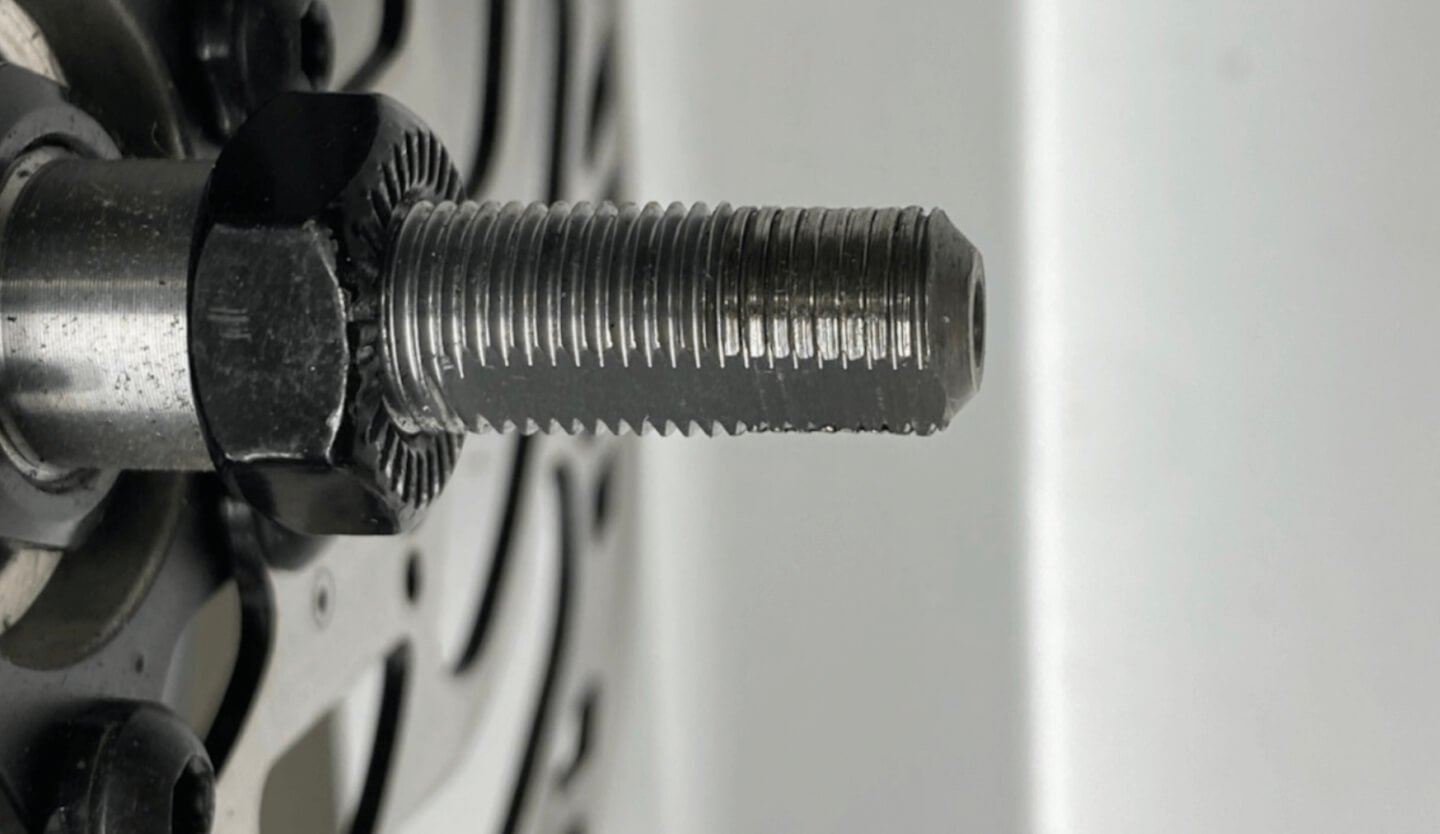
Threads damaged during a simple rear wheel removal. This is why care matters with any threaded fastener.
1. How to tighten a bolt
It's easy to damage a component by over- or under-tightening a bolt. Before you turn a wrench, especially on a seatpost without a quick release, know the numbers. Review these torque specifications from Park Tool.
2. How to take care of your chain
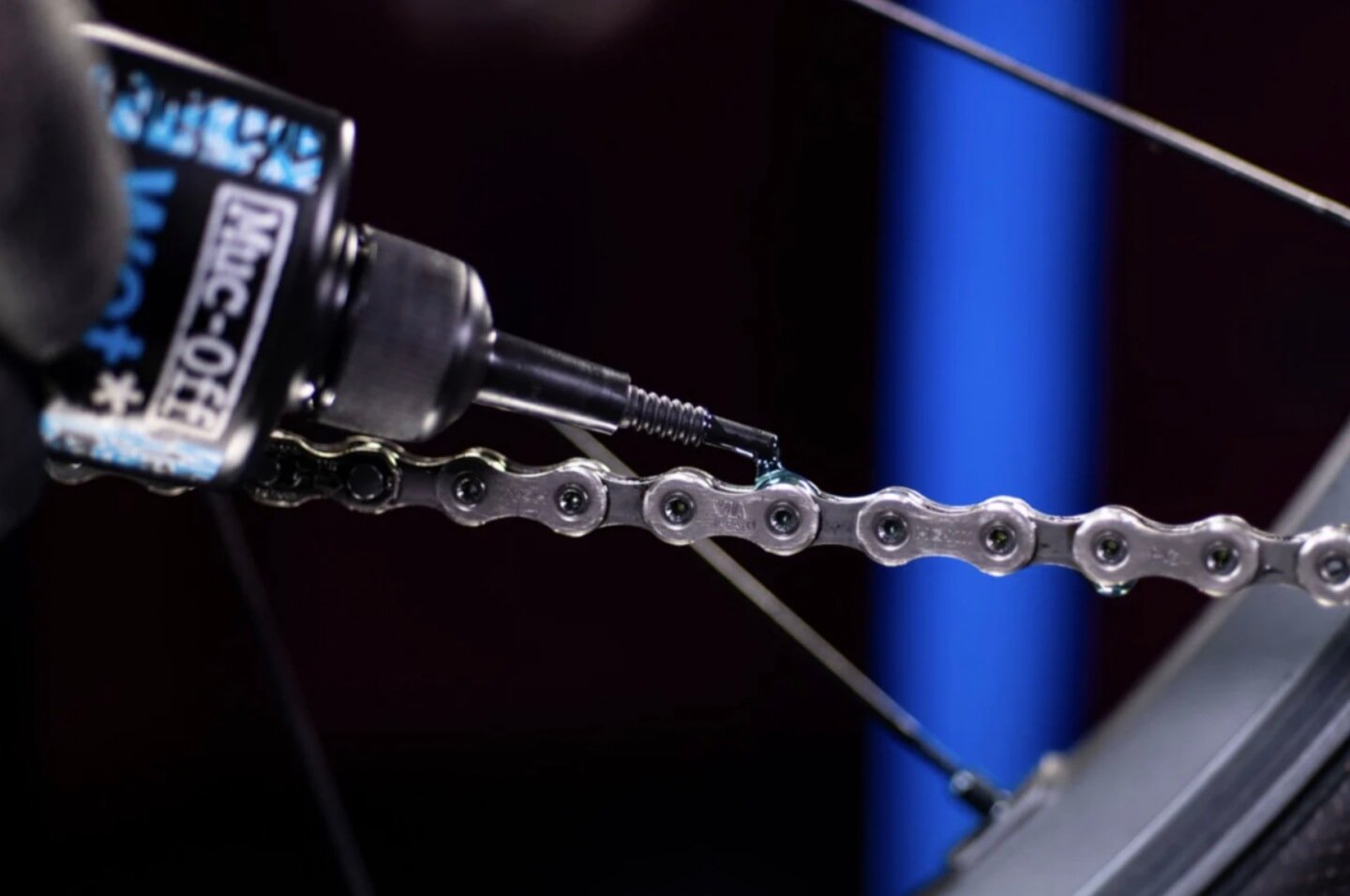
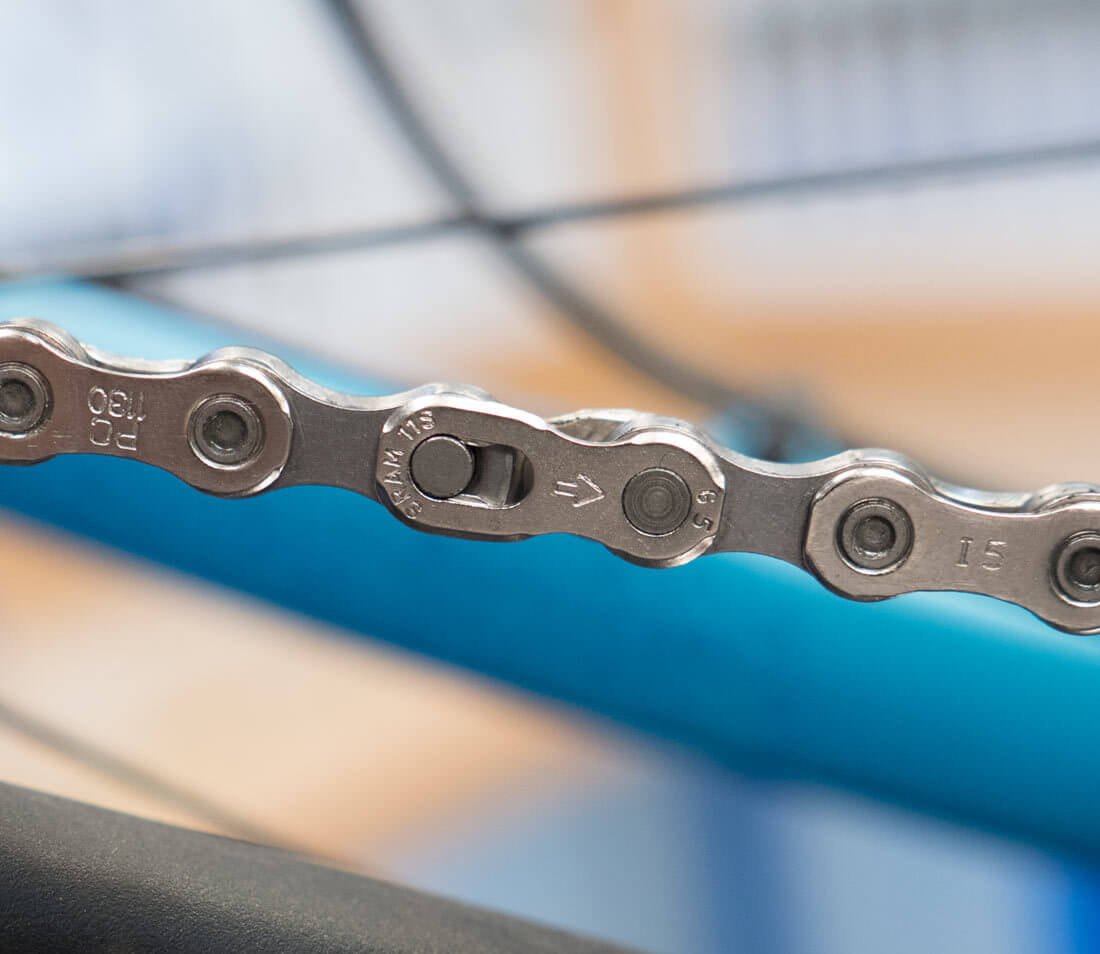
Lubrication: The chain has to be lubricated to work. How often depends on weather, conditions, and your lube. A "wet" lube lasts longer but attracts dirt; a "dry" lube dries out faster but stays cleaner.
Regular tune-ups: Most chain-driven bikes use a derailleur, and the smallest sprocket wears fastest. Keeping shift-cable tension and derailleur limits set right gets the most miles out of your chain, cassette, and derailleur. If shifting turns rough or you hear a new sound, it's time for a tune-up or a call to your mechanic.
Replace your chain every 1,000 to 3,000 miles: The interval depends on your riding style, cargo, model, drivetrain, and terrain. If you don't track mileage, a visibly dirty or weathered chain is your sign. Easier pedaling in the right gear extends chain life.
3. The importance of shifting gears
Staying in one gear the whole ride damages your drivetrain. Using the full gear range is more efficient and helps your chain, derailleur, and motor last.
Shift before you need to: see a stoplight or hill coming, drop to an easier gear early rather than shifting while grinding slowly under load. Shifting late under load, especially on climbs, can snap the chain or bend the derailleur.
For that reason it helps to understand basic chain repair. Park Tool's On the Ride Chain Repair is a good start.
4. How to protect your derailleur
Derailleurs stick out from the rear wheel, so they're easy to bend. Give obstacles on your right a wide berth, on trails and in the city. When you lock up or load the bike into a car, keep the derailleur side (right side) facing up. If you do bend one mid-ride, you can often get home by gently straightening it by hand.
5. Belt drive maintenance
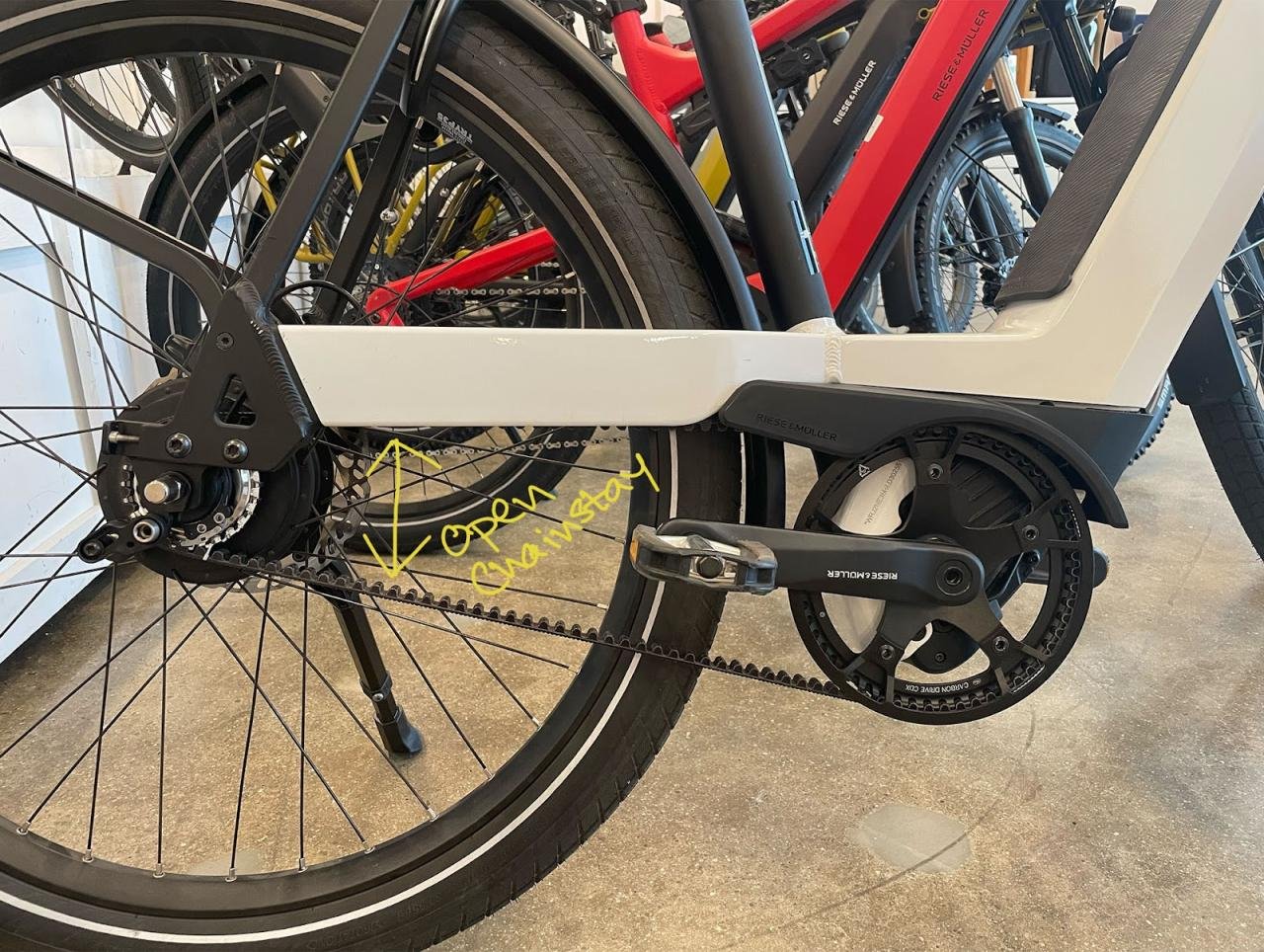
A Gates Carbon Drive belt on a Riese & Müller in our Brooklyn shop.
Many of the eBikes we sell use a Gates carbon fiber belt drive. Belts are newer to cycling than chains, but Gates has made them for automotive and industrial use for more than a century. A belt needs far less maintenance than a chain, no lubrication, just an occasional clean.
Checking belt tension: Check it periodically. Gates offers a free smartphone app that reads tension from the belt's vibration frequency, like a guitar tuner, and gives you a loose-to-normal-to-tight reading. Here's the app: https://www.gatescarbondrive.com/products/tools. Once set, a belt typically holds tension for six to twelve months, sometimes longer.
Belt alignment: Alignment can drift after a collision or if a component loosens or shifts. If you suspect it, bring the bike in or give us a call.
When to replace: Gates doesn't publish a fixed number (too many variables), but a carbon belt outlasts a chain several times over, on the order of 10,000 to 30,000 miles depending on torque, load, and alignment. There's no wear gauge, so we check it by eye at every tune-up and replace it when it's worn, not on a schedule.
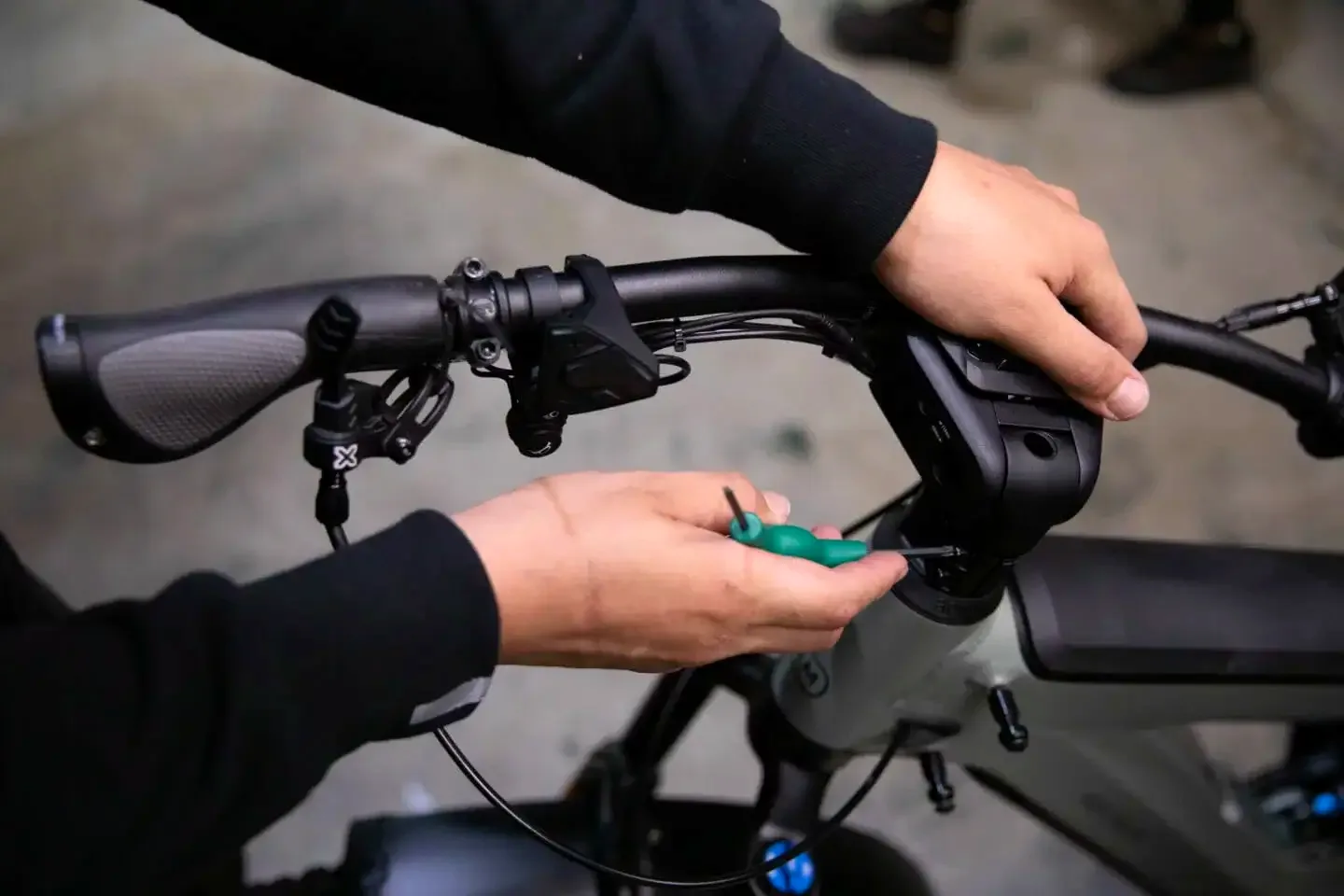
6. Tips for adjusting your handlebars, stem, & headset
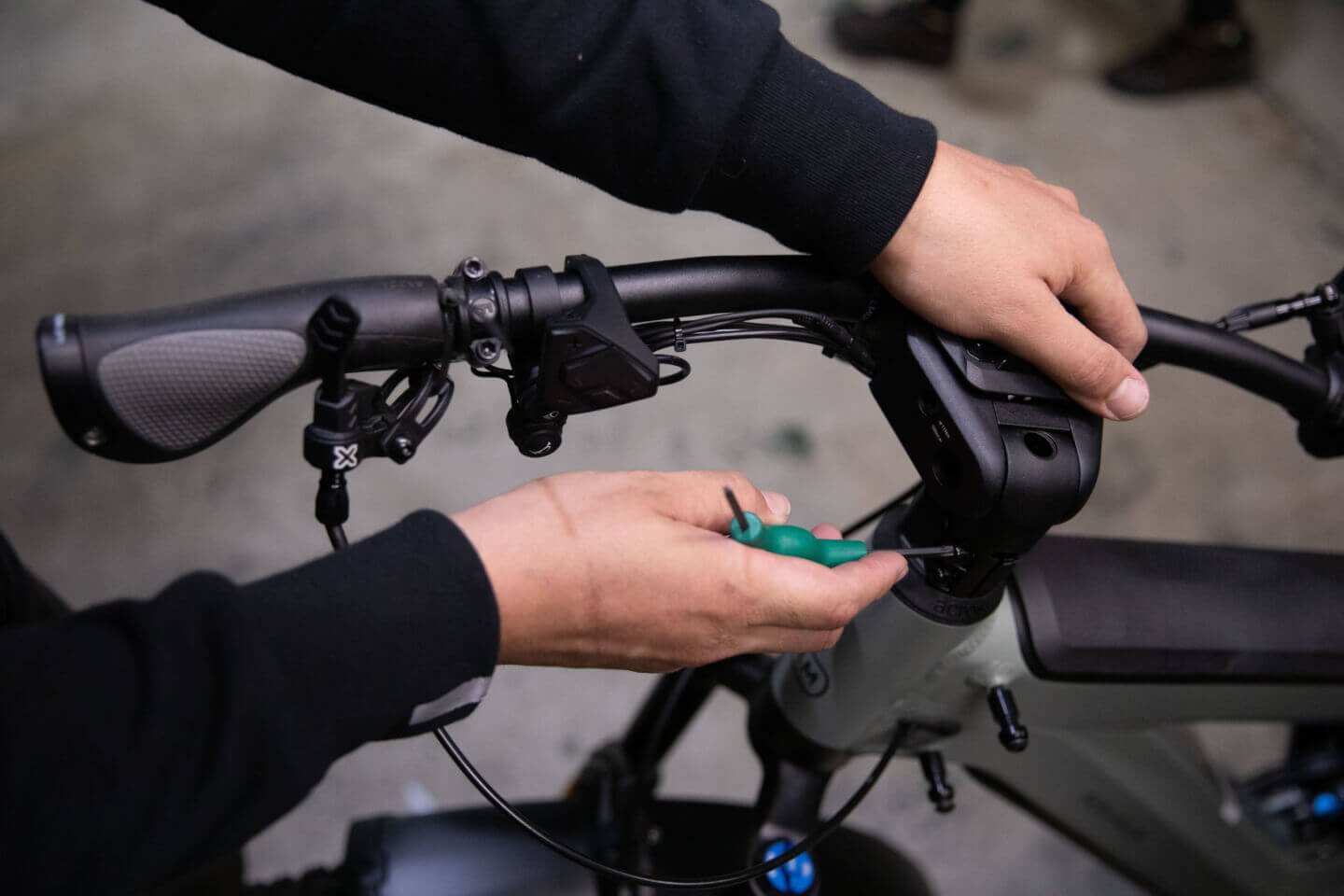
When adjusting your handlebars and stem for the first time, you may notice the headset feels slightly loose, a shudder at the front end, most obvious when you brake. The fix is a light preload adjustment, not a teardown:
- Loosen the bolts on the side of the stem so the stem and bars pivot freely on the fork tube.
- Snug the top cap bolt (the compression bolt) just enough to draw the fork up and take the play out of the steering bearings. A little goes a long way. The cap only sets bearing preload; it doesn't clamp anything.
- Re-tighten the stem bolts to spec once the play is gone.
- Don't fully remove or grease the top cap bolt, and don't start pulling the headset apart. If light preload doesn't clear the play, or the headset feels notchy or gritty, that's a job for the shop, not a roadside fix.
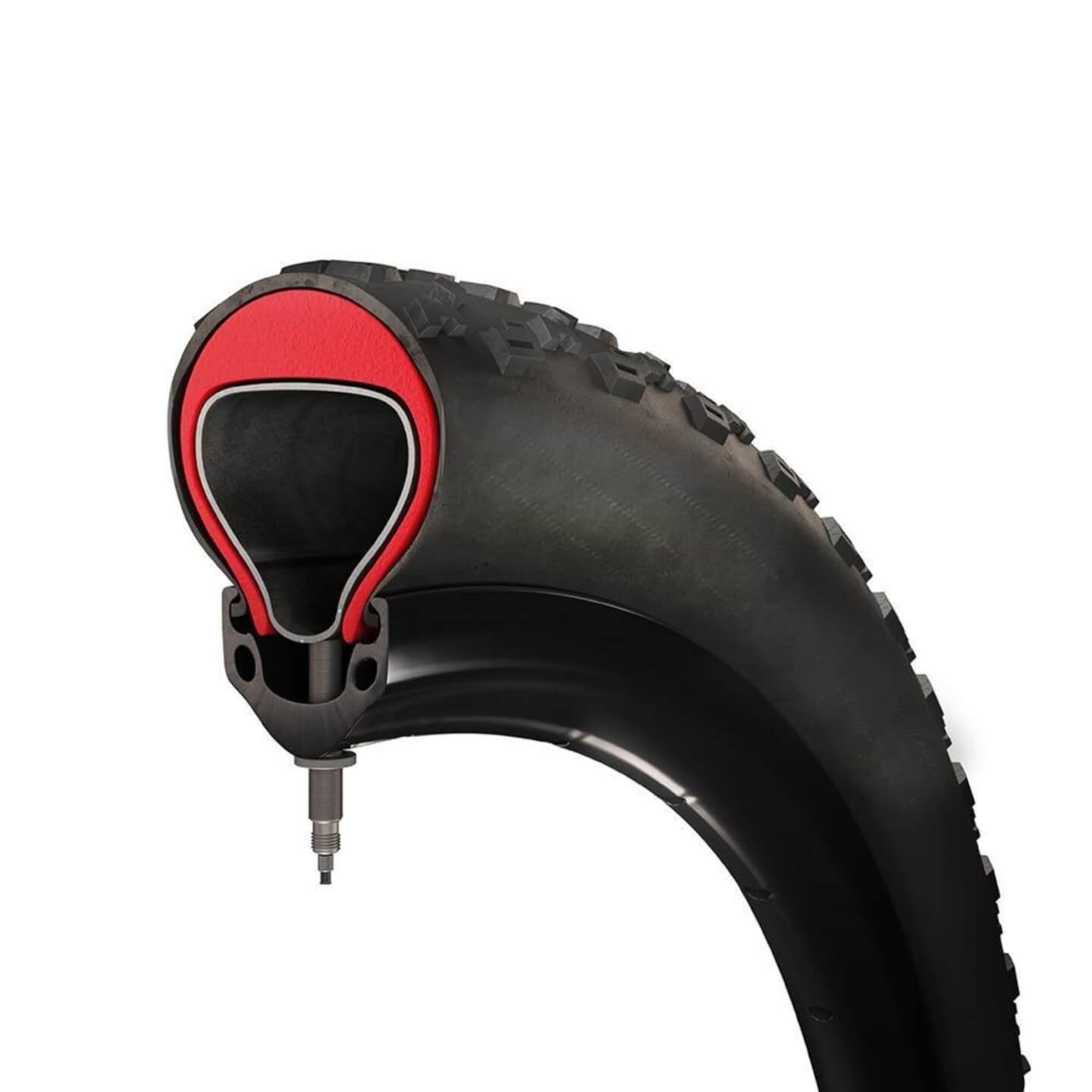
A cutaway view of a tire liner sitting between the tire and the tube.
7. A few notes on tubes and tires
In case you get a flat: Keep spare tubes at home and on the road. Most Propel bikes come with Schwalbe tubes, which we've found reliable. Other brands we recommend: Continental, Q Tubes, WTB, Odyssey, Michelin, Teravail, and Slime. Slime tubes come pre-filled with sealant that self-seals small punctures.
Puncture protection: Extra-thick tubes aren't required but help. Tire liners like Tannus shield the tube from punctures. Tire boots (not tube patches) can extend a tire that isn't worn out but has a puncture that would damage a new tube.
Best tires for eBikes: When replacing tires, go heavier and thicker to handle an eBike's weight and speed. eBike-rated tires are the first choice; a non-rated tire works as a substitute when rated options aren't available.
Keep them pumped: The correct PSI range is printed on every tire's sidewall. Use a floor pump with a gauge so you don't over- or under-inflate.
Adjust for terrain: On pavement, run toward the high end of the range to cut rolling resistance and pinch flats. Off-road or when you want grip, run slightly lower so the tire conforms to the surface.
8. All about hydraulic disc brakes
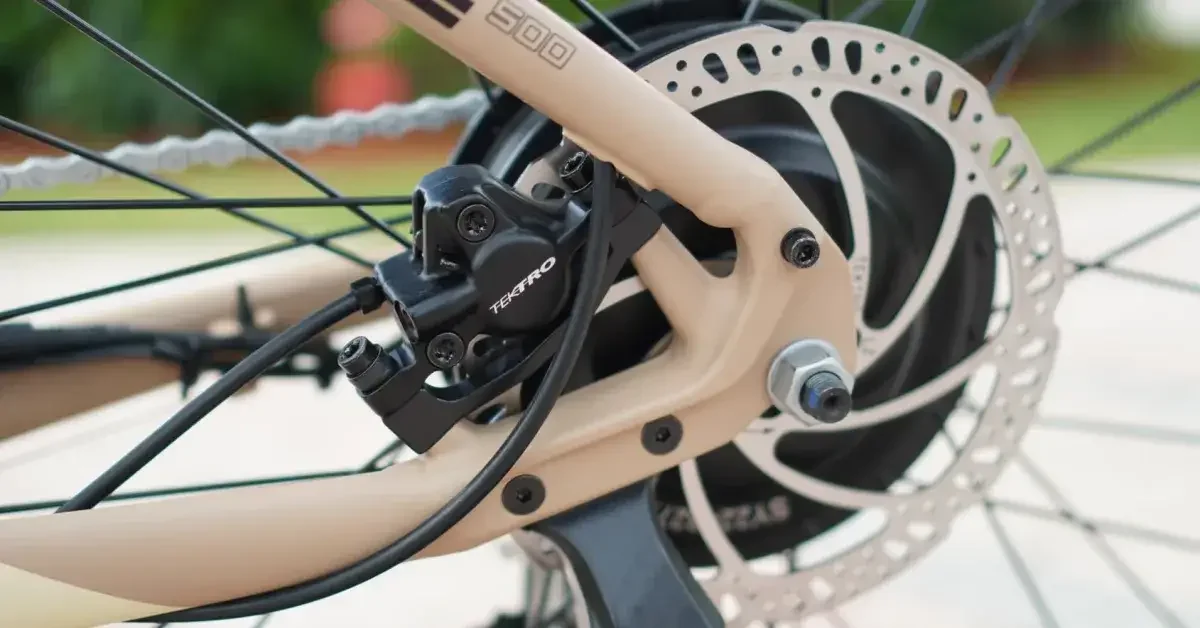
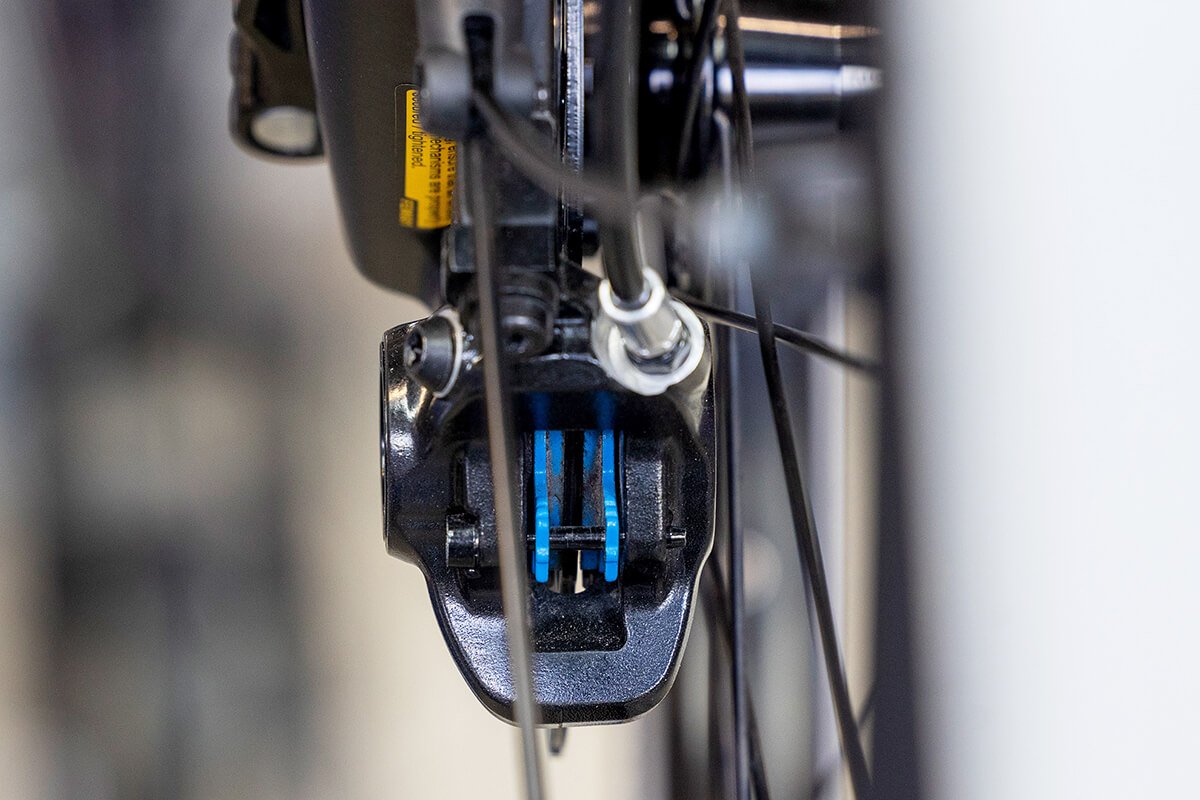
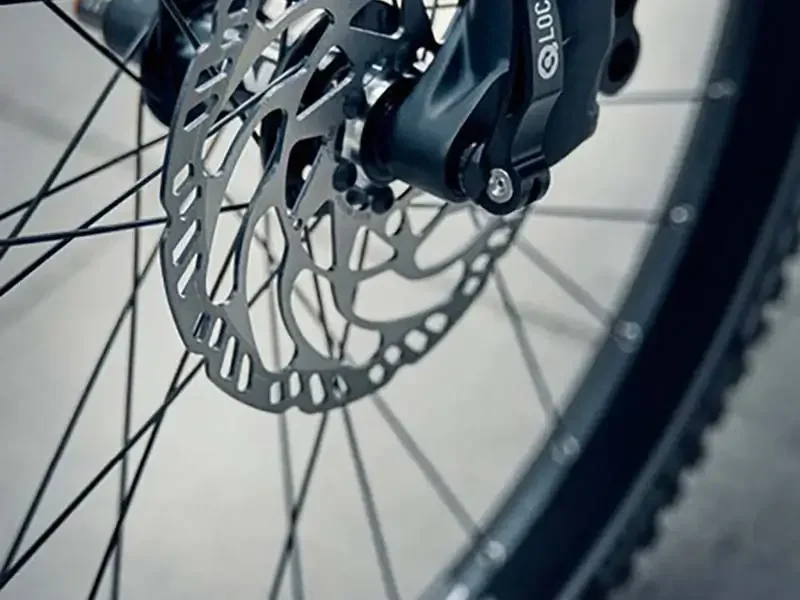
Hydraulic disc brakes come on nearly all the bikes we sell. Cable brakes are simpler to service, but hydraulics give much more stopping power and stay consistent over time. There are seven main components:
- Brake pads: Wear depends on too many variables for a hard number, but roughly every 2,000 miles for a non-cargo bike and every 1,200 miles for a cargo bike.
- Brake fluid: Check it, and burp or bleed as needed, whenever you replace pads or a rotor, or whenever the lever feels soft. You don't need to do this yourself, but know your fluid: Tektro and Shimano use red mineral oil, Magura uses blue mineral oil, SRAM and Hayes use DOT fluid.
- The rotor: The metal disc the pads clamp to stop the wheel. Threats are contaminants (motor oil on wet streets), pad wear, and impacts off-road. Replace it if you feel a step or lip on the surface, or see a purple iridescent sheen where the pads contact.
- Brake lever (master cylinder): The blade you pull, plus a hidden piston inside the housing that turns finger force into hydraulic pressure. If you drop the bike on its side, check the lever, that's a common cause of a blown master cylinder seal. A lever that suddenly feels soft needs service. Most levers have a free-stroke adjustment for hand size; it's no substitute for maintaining pads, rotors, and fluid.
- Brake caliper: Sits by the rotor and mostly stays out of the way. Seal leaks are uncommon on a well-maintained bike; calipers do need periodic pad changes and realignment.
- Brake hoses: Carry pressurized fluid from the master cylinder to the caliper to push the caliper pistons and apply braking force.
- Seals, o-rings, and fittings: Small, largely invisible, and they hold pressure through the system. Standard practice today is to replace whichever component has the failed seal, whether that's the master cylinder, hose, or caliper.
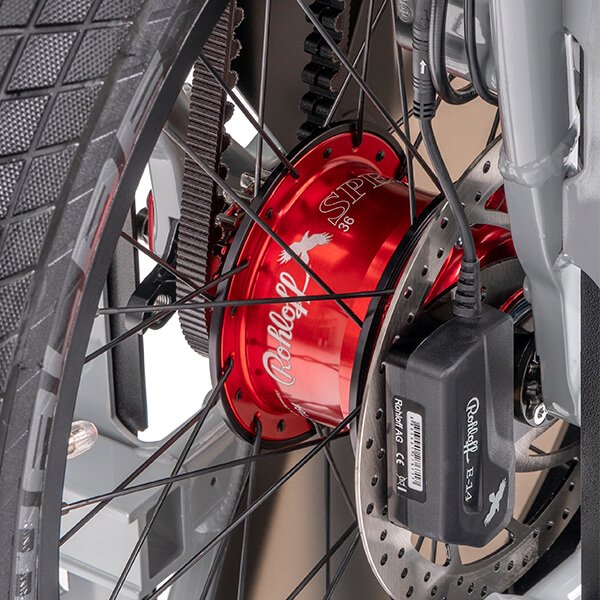
A Rohloff internal geared hub, paired with a belt drive, on a Tern GSD.
9. Internal geared hubs
Many of the bikes we sell, chain or belt, use an internal geared hub (IGH) instead of an external derailleur. With a derailleur, the gear changes happen out at the rear wheel where you can see them. With an IGH, everything happens sealed inside the hub, and nothing sticks out to get knocked around.
Each has trade-offs, mostly performance versus durability, though the Rohloff hub balances both well. A derailleur is lighter, snappier, and more sport-oriented; you shift it while pedaling, but not under heavy load at slow speed, so anticipate and shift to an easier gear before you slow too much.
An IGH is more forgiving. It doesn't mind shifting under load or at slow speed, as long as you're not actively pedaling while you shift. Each brand handles it a little differently:
- enviolo: Pedaling while shifting can bind the cables in some cases.
- Rohloff: Shifting while pedaling wears the oil a little faster. Replace the oil approximately every 3,250 miles. Otherwise there's little risk beyond slightly faster belt or chain wear.
- Shimano: The hub won't bind, but there's a slight delay, it shifts into gear once you ease off the pedals.
Chain lubrication matters on any drivetrain, and it's critical on a derailleur. For your specific hub, check the manufacturer's guidelines for enviolo, Shimano, or Rohloff, and you're welcome to call us.
Check out our guides and videos, and reach out anytime.